
Kids Jiu-Jitsu Classes
Martial Arts to find success
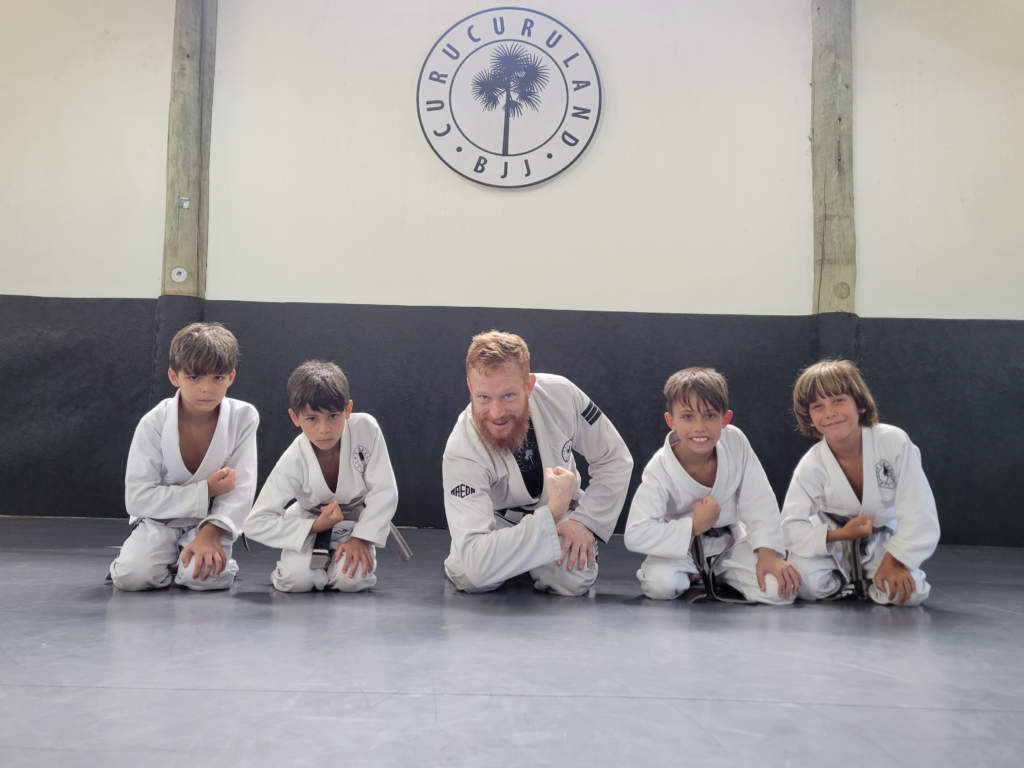
Kids BJJ at The Connection Academy is built on the same championship lineage as our adult program — adapted by instructors who have trained children from age four through their teenage years. Classes are structured, safe, and genuinely fun. Your child will grow in confidence and capability, on the mat and off it.
What kids gain
Kids learn to manage difficult physical situations calmly — without striking. That ability quietly changes how they carry themselves at school, on the playground, and everywhere else.
Every position on the mat is a puzzle. Kids who train BJJ get better at staying calm when things are hard and thinking through what to do next — skills that transfer directly to the classroom.
Bowing in, listening to coaches, taking care of training partners — the rituals of the mat build habits of respect that parents notice right away. Kids here look out for each other.
BJJ is full-body movement — rolling, bridging, shrimping, balancing. Kids get genuinely athletic without realizing they’re working out. For high-energy children, it is an outstanding outlet.
Age groups
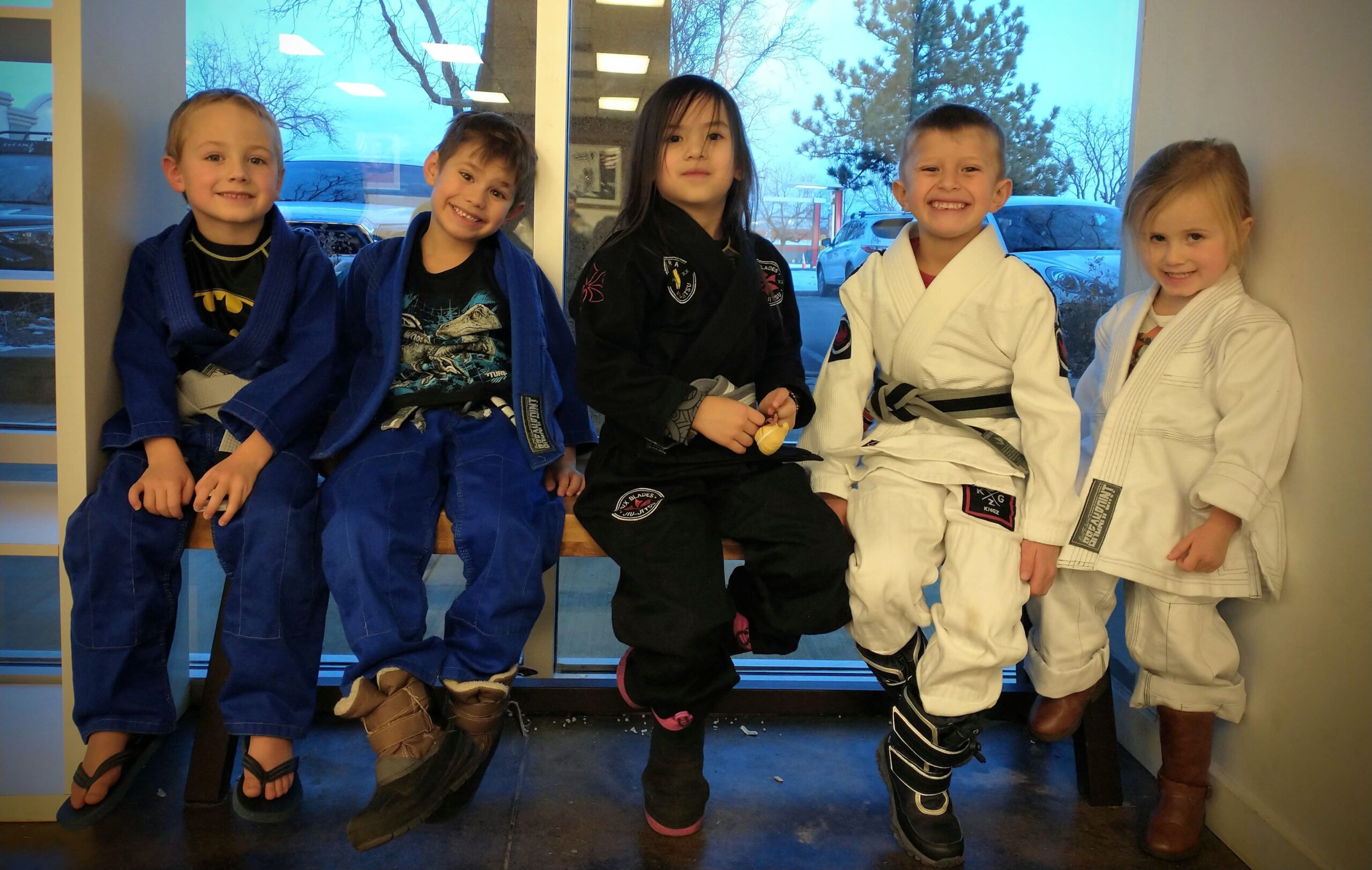
Games, movement, listening, and early mat awareness. The focus is participation and fun — formal technique can come with time.
Structured drilling, core positions, and controlled positional practice. Kids build a real technical foundation at their own pace.
More technical depth and live sparing. Teens prepare to train alongside adults in select sessions as they advance.
Who is teaching your child
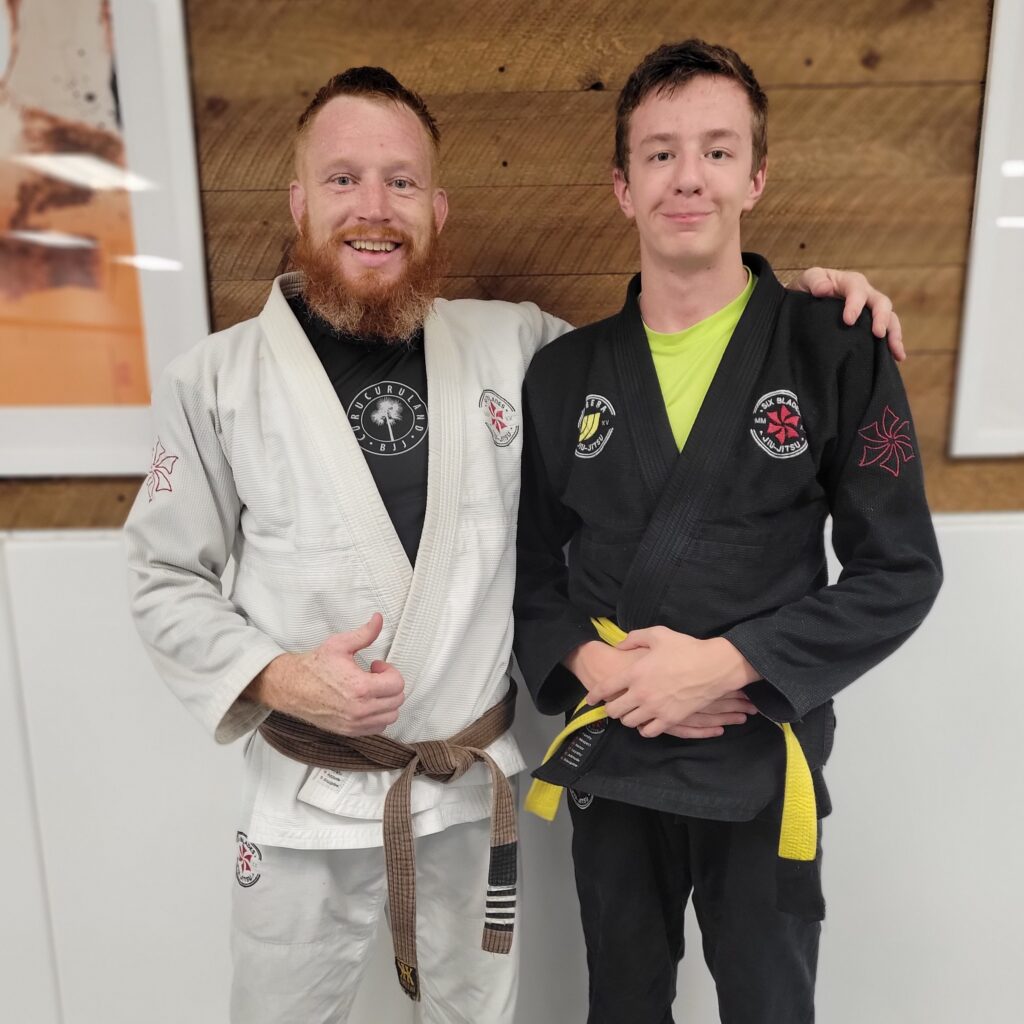
Colby trained at Curucuruland in Brazil under Rodrigo Pagani — including direct experience with the kids program there, working alongside Rodrigo with his son Rockson. That setting, one of the most respected BJJ academies in the world, shaped how Colby thinks about teaching children: technique-first, patient, and built around what each kid actually needs to succeed.
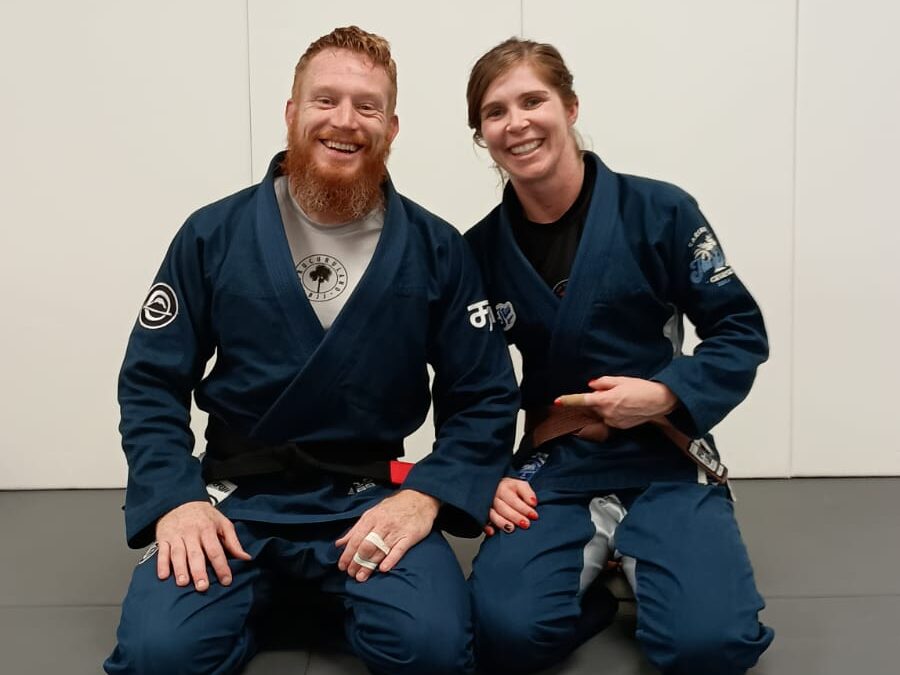
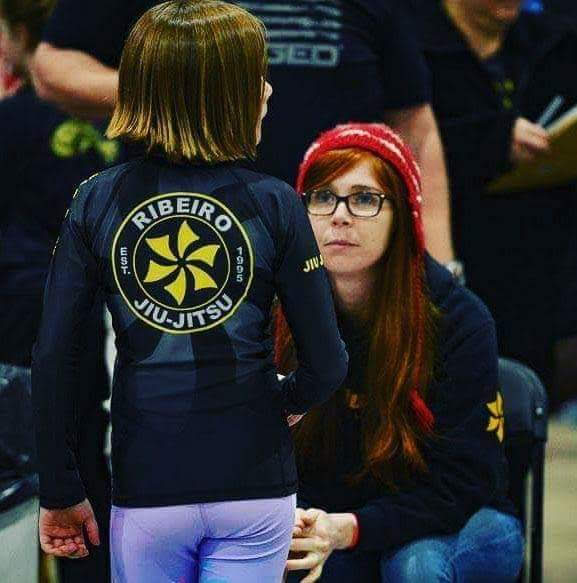
Before joining Connection Academy, Hannah spent years teaching children and families at Jubera BJJ in Broomfield — where she also earned her black belt under Matt Jubera, Xande Ribeiro’s first American black belt. She brings deep experience managing age-appropriate class structures, working with kids of different learning styles, and building the kind of environment where children feel safe enough to push themselves.
Join us in Denver and start your journey towards improvement today!
Common questions from parents
Frequently Asked Questions
What age can my child start?
Most children are ready to start between ages 4 and 6, though readiness matters more than the exact number. We run separate age groups (4–6), (7–12), and Teens (13–17), so every child trains with peers at their own stage. If you’re unsure whether your child is ready, bring them in for a trial and we’ll tell you honestly.
Is Brazilian Jiu-Jitsu safe for kids?
Yes. BJJ involves no striking, kicking, or punching. It is a grappling art based on leverage, control, and escapes, practiced on padded mats under supervision. Children learn to move safely, tap out of positions, and respect training partners, which makes it one of the lower-risk martial arts available for young kids.
Will Jiu-Jitsu make my child more aggressive?
No, it tends to do the opposite. Because BJJ relies on control and technique rather than striking, it teaches kids to stay calm under pressure and resolve situations without violence. Most parents notice better focus, discipline, and emotional regulation. The mat culture rewards respect and self-control at every class.
Does my child need to be athletic or have experience?
No on both counts. Early classes focus on games, movement, balance, and listening skills rather than advanced technique. Children build coordination and confidence as they go. The right time to start is whenever your child is ready to participate in a structured class, not when they’re already athletic.
My child finds it hard to focus in other activities. Would this work for them?
BJJ is one of the better fits for kids who struggle with traditional sports or classroom settings. It demands real-time problem-solving and full physical engagement, which holds attention in a way that sideline-waiting sports often can’t. Many parents of kids with difficulties in these areas find BJJ becomes one of the few activities their child actively wants to go to.
What does my child wear? Do they need a gi?
For a trial class, comfortable athletic clothing with no pockets or zippers is fine. A gi, the traditional jacket, pants, and belt, is needed once your child enrolls. Ask us about loaner gis for the trial and sizing guidance when your child commits.
Do kids spar, and will my child have to compete?
Beginners start with games, drills, and positional practice, not full sparring. Controlled rolling is introduced gradually as kids build skill, maturity, and trust with their partners. Competition is entirely optional. Many students train for years without ever entering a tournament, and our coaches will be honest with you about when and whether your child is ready for either.
Can I watch my child’s class?
Yes. Parents are welcome to observe from the designated viewing area. Some children focus better when parents step out after the first few classes. Coaches will let you know if that applies to your child and will always keep you in the loop.
How often should my child train?
Two classes per week is a good starting point. That builds rhythm and steady progress without overloading their schedule. Kids who enjoy it and want to move faster can add a third session. Consistency matters more than volume, so a regular twice-weekly habit beats occasional longer bursts every time.